Untangling from Big Tech, Pt 1: Identify the Problem
This is the first in a series on finding alternatives for the algorithms and platforms that have taken over our attention spans and data while being too convenient to ditch.
What began with me getting the ick over my excessive social media use has, over the last few years, snowballed into an almost primal need to find alternatives in my own life to the big tech platforms that feel somehow inescapable.
Which is pretty ironic, considering I was solidly on the ‘who cares if Google is listening, I’ve got nothing to hide’ team for years.
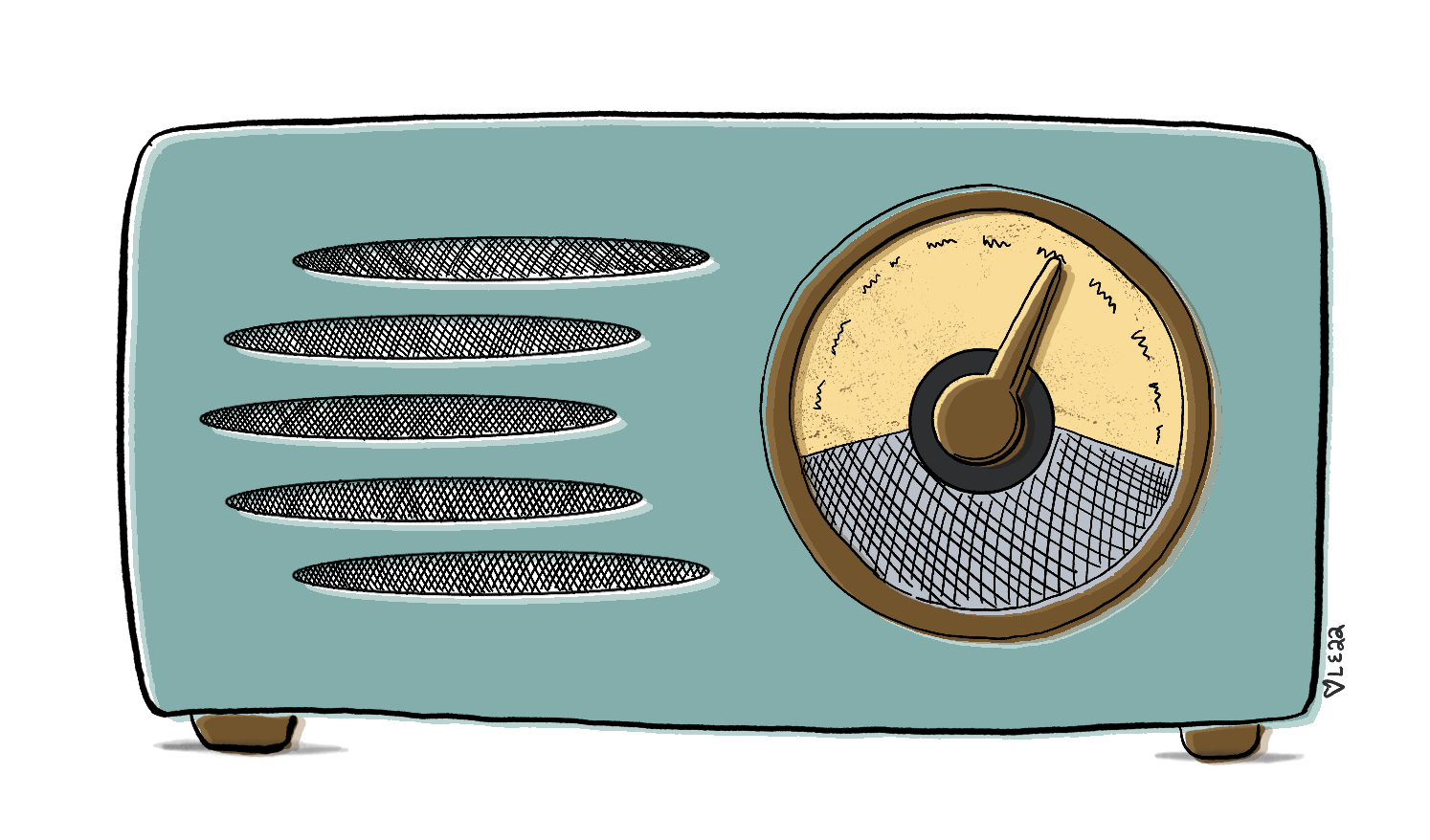
I sold my Google Home speaker at a yard sale earlier this month, btw, then bought a cute little radio with a Bluetooth speaker to replace the only functions I really used it for: dance parties with the kids and house-cleaning music.
I could wax poetic on why my mindset has shifted… How being an elder millennial with a tech-free, barefoot-in-a-creek sort of childhood that morphed into hyper-online young adulthood colors how I see the world and technology’s place in it.
Even more so after having kids of my own and finding myself shuddering imagining the future they’re headed towards.
Or how the recent skyrocketing (get it?) of the tech broligarchy makes me want to throw ripe tomatoes at the Amazon truck every time it comes down our road (although not enough to actually waste my hard-earned tomatoes).
I could write several paragraphs about how, as I began my disentanglement, I became increasingly and uncomfortably aware of the things I had outsourced to social media, to my phone, to the cloud, to a $.99 or $2.99 or $9.99 monthly subscription.
I started to notice how much trust I had placed in these apps and websites, to not only protect my photos and conversations and online shopping history, but also to keep my privacy safe and give me the best prices and just take away all other choices so I could melt placidly into the couch after a long day while they present me with entertainment curated to my deepest desires and sell me cheap doodads with 2-day shipping.
But that’s not why I’m writing this series. We can talk about causation, correlation, and addictive algorithms another time.
For now I just want to share what I’ve done over time, and am actively doing now, to distance myself from some of the big tech platforms that I’ve started to feel uncomfortable participating with for a variety of reasons.
Because as I’ve talked to people in my day-to-day life about leaving Facebook and Google, the reaction has been almost exclusively positive, and even curious.
We want other options, we just don’t know what they are.
There are a lot of different reasons we’re feeling this way; some of us are concerned about our privacy, our safety, financial security, our data, our attention spans, that we’re being manipulated by invisible algorithms, or all of the above. All totally valid.
Our reasons may change over time or be based on the platform, too. I started down this path a few years ago by deciding I would no longer shop at Amazon for environmental and human rights reasons. By the time I decided to leave Facebook, my reasons had become more complex. Like anything else, it’s an evolution.
Over the next few weeks, I plan to get very specific on what apps and services I’ve dropped or replaced and the alternatives I’ve found. In this first post, though, I want to lay some groundwork and talk about how I’ve approached this project (experiment? lifestyle choice? rebellion?) because it felt like an excessive amount of thought and planning at the time, but I think the up-front thought and planning helped make the whole thing feel easier than it would have otherwise.
My hope is to inspire you to take a look at your own technology ecosystem and decide if it’s supporting your overall goals, then feel empowered to make changes if you choose.
Before you go any further, ask yourself, “What am I hoping to gain from this?”, then spend some time figuring that out.
As I said above, there are many different, valid reasons for wanting to distance yourself from these platforms. You need to know what your specific why is. It doesn’t need to be complex, but it does need to be something you feel emotionally connected to. What resonates with you on a deeper level and motivates you to make a change?
Do you want the attention span to read a book for 30 minutes without feeling compelled to check your phone?
Are you fine with your phone use but feel icky about how much of your data is being mined for marketing all the time?
Are you concerned about the environmental damage of the rise in AI technology and the demand for more and more energy consumption?
Do you want to show the big tech companies you disagree with their choices by taking your business and attention elsewhere?
Do you want to take back control of what you consume by finding your music, movies, books, news, etc, outside of the recommendation loops of Spotify and Netflix?
Are you motivated by something entirely different and personal because you’re a unique individual and not an algorithmic cog?
I have a tendency to want to jump right into the action part of things, but if you’re going to succeed at pulling away from platforms that pay entire teams of people to make their service as convenient and habit-forming as possible, you need to have a compelling reason that you feel strongly about.
Detangling from big tech can feel weirdly personal. Just be prepared for that going in.
I started my Facebook account around 2009, and by the time I deactivated it in 2024, there was over a decade of photos, memories, friends, and groups I felt tied to. This app on my phone, along with a handful of others, had become an integral part of my daily life, as much as I hate to admit that.
Beyond social media, finding alternatives for things like browsers, email, search engines, and online shopping might feel awkward at first. Sometimes, it will require you to make changes to long-held habits and muscle memory; other times it might lack some of the instant convenience you’re used to.
It will almost certainly introduce more friction into your life, which I would argue is a benefit, not a side effect.
And also, it will introduce more opportunities for surprise, real connection, deep work, actual disconnection, rest, and curating your own interests (remember those?).
It’s not necessarily easy, but I believe it’s worth it.
This conversation of finding alternatives is one I’ve been having recently with a lot of people in my own life, and I think the more we share other options, the more we can find ways to take back control of our data, our privacy, and the effects our choices have on the world around us in terms of exploitation and environmental damage.
Also, just to say, this isn’t about becoming a Luddite. One reason this has been such a ridiculous process for me is that I use tech for a lot of stuff.
I’m a freelance designer, I sell products online and work with clients, sometimes designing websites. I pay bills, check the weather, buy appliance repair parts, and do all the things online.
Suffice it to say that although I think we could all use less time on our devices, I’m not advocating for eliminating tech from our lives altogether. I just think we have to learn to use it wisely, as a tool, and not let it turn the soft parts of our brains to goo while wrecking our environment and creating massive class disparities.
Okay, so you’ve spent some time thinking about your goal, and you realize that it will evolve, it’s time to identify your specific needs and wants.
When we’re talking about finding alternatives for these apps and services, what we’re really talking about is identifying the need or desire that the app fills and finding another way of reaching the same desired outcome that fits your overall goal better.
Let’s look at some specific examples.
When I first started thinking about leaving Facebook I would get really overwhelmed with all the reasons I needed to keep it: I have a business and needed it for connections with potential clients, it’s how I kept up with friends and family, I didn’t know how I would find out about local events or people’s birthdays, that sort of thing. It felt like there was too much to consider and I would forget something important if I just left.
So one night, when I was deeply annoyed at my inability to stop doom scrolling, I sat down and wrote a list of all the benefits I thought I was getting from Facebook and Instagram.
I wrote out everything above, plus a few other things I can’t remember now (so they obviously weren’t that important). Then, I considered whether the benefits I was getting were real or perceived.
When I really stepped back and looked, almost none of my recent clients came through the platform, and the time I was spending creating posts not only felt draining, but it wasn’t reflected in my website stats or conversations with clients at all.
On the personal side, I started to notice that most of my feed consisted of ads and sponsored posts, not life updates from friends and family.
Looking at it objectively, I could see that several of the benefits I thought I was getting were either imaginary or so sporadic they didn’t make up for the negatives I felt.
Other benefits were more real, and those are what I focused on finding solutions for. A big one being how to find out about community events without the benefit of Facebook. I didn’t immediately start searching for solutions, though. In this first step, I just wanted to get a clear picture of the problem or need, so I would know what I needed to solve.
The step of identifying what need is being filled is so obvious, but I’m prone to skip right to finding solutions without knowing the real issue.
This can lead to jumping straight to another platform and later realizing it didn’t fill the need or even added more complications instead (I’m talking to you, Threads account I never used and couldn’t get rid of).
In this step, you may also realize some of the things you think you’re getting from the platform are only imagined benefits… like feeling connected to friends and family when you’re actually just watching their lives from a distance.
Once you’ve taken the time to understand your goal and identify your needs you can start looking around for alternative solutions, which is where I’ll pick up next time with some actionable steps along with specific apps and services I’ve found useful.
If you have questions for this series, I’d love to hear them. I’m not an expert, but I’ve put a lot of thought, reading, and research into this topic as a mom, a small business owner, and a human person, and I’m happy to share what I’ve learned.
SUPER well written!! Perhaps dropping the name of any Bluetooth speakers/ radios you may have tried, their benefits and drawbacks, etc.
Also directly related is the subreddit r/degoogle. They have been sharing resources for such like no other.
I think if this trend picks up then apps like Organic Maps to replace Google maps could become the default, and getting away from entire conglomerate All-in-One packages is a huge thing, especially given how keep those companies are to sell your info (I care the most about that specific part of it all, also identifying why is such an awesome way to start off this post, props to that!).
I will say I recommend Proton.me, a very privacy heavy company that whle does use the All-in-One method I don't care for much, I do like their email service at the very least!
Beautiful. Thank you for this!